

| Keyword | Description |
|---|---|
| Sinaloa Cartel | A powerful criminal organization involved in drug trafficking. |
| Indictment | A formal charge or accusation of a serious crime. |
| Extradition | The process of sending someone back to the country where they committed a crime. |
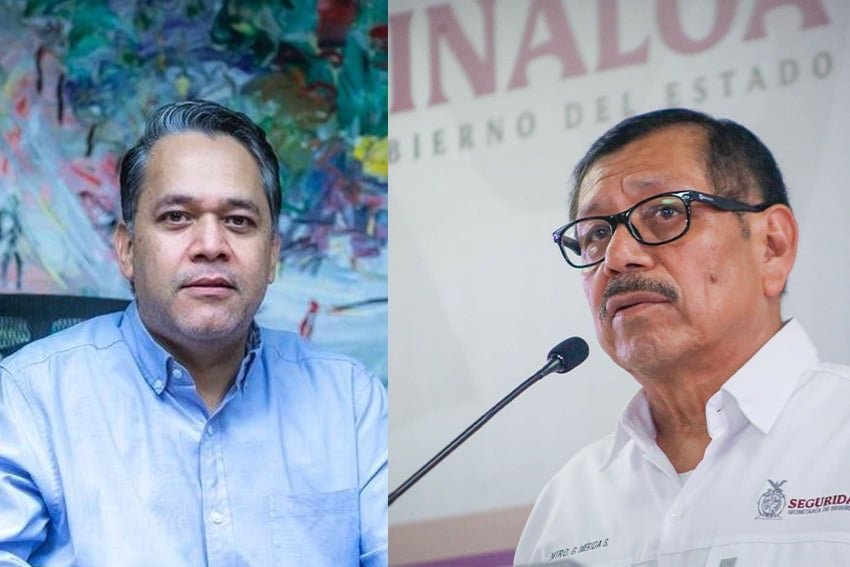
Two former officials from Sinaloa, Mexico, are now in the United States facing serious charges. Gerardo Mérida Sánchez and Enrique Díaz Vega are accused of helping the Sinaloa Cartel. They turned themselves in to U.S. authorities. These charges include helping the cartel with drug trafficking and receiving bribes (money or gifts given to influence someone).
Gerardo Mérida was a security minister in Sinaloa, and Enrique Díaz was in charge of administration and finance. Both are indicted on charges of helping the “Chapitos,” a faction of the Sinaloa Cartel led by the sons of Joaquín “El Chapo” Guzmán. If found guilty, they could face life in prison.
Another person accused, Senator Enrique Inzunza, says he is innocent and refuses to be extradited to the U.S. He is still in office and may run for governor in the future. The situation is serious, and many people are watching closely to see what happens next. The Mexican president has said that her government will not protect anyone found guilty of a crime.
Bridging words
These words sound similar in English and Spanish: Why not practice them now?
| English | Spanish |
|---|---|
| Cartel | Cartel |
| Indictment | Indictmento |
| Extradition | Extradición |
Time to discuss
- Why do you think people turn themselves in to authorities?
- What might happen if someone is found guilty of a serious crime?
- How do you think governments deal with international crime?
Let’s Write
Answer the following questions in one paragraph
- What are some reasons a government might accuse someone of a crime?
- How can international cooperation help solve crimes?

