

| Keyword | Description |
|---|---|
| Gender Parity | Equal representation of genders in politics or other areas. |
| Federal Deputies | Members of Mexico’s lower house of Congress. |
| Cabinet | A group of senior advisors to a leader. |
In 2009, a significant majority of political leadership roles in Mexico were held by men: 93.7% of governors, 72.4% of federal deputies, and 80.5% of senators. However, the scenario has drastically changed over the years. Thanks to federal gender parity laws, including a 2019 reform called “paridad en todo” (parity in everything), women’s representation in politics has increased significantly.
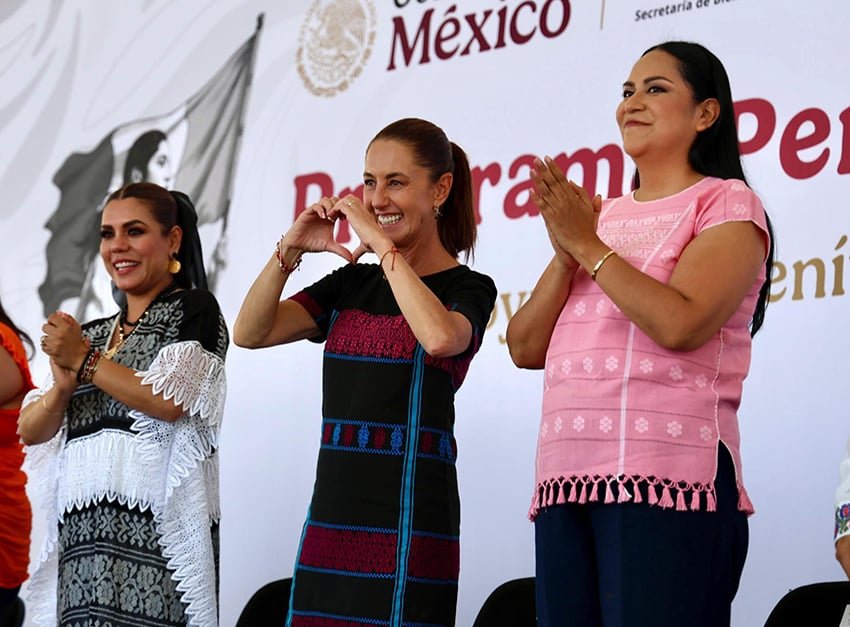
Today, Mexico boasts nearly equal representation of women in politics and has its first female president, Claudia Sheinbaum. Within her cabinet, 11 out of 22 members are women. A vacancy remains for the Minister for Women, but it is expected to be filled by a female appointee, raising female representation above 50%.
In comparison, only five women were part of U.S. President Donald Trump’s 23-member cabinet, representing just 21.7%. In Mexico, 42% of state governments are led by women, including Mexico City’s Mayor, Clara Brugada. This means that 44% of Mexico’s federal entities are governed by women, whereas only 14 states in the U.S. have female governors, equating to 28%.
Mexico’s Senate consists of 128 members, with 64 being women, achieving near parity. In contrast, the U.S. Senate has 26 female senators, just 26%. Additionally, the Chamber of Deputies, Mexico’s lower house, has more women than men, with 253 female deputies out of 500 seats. Morena, the ruling party, has the highest female representation with 57.7% of its deputies being women. The U.S. House of Representatives has 124 female members, accounting for 28.5%, which is significantly lower than Mexico’s percentage.
Bridging words
These words sound similar in English and Spanish: Why not practice them now?
| English | Spanish |
|---|---|
| Parliament | Parlamento |
| Representation | Representación |
| Constitutional | Constitucional |
Time to discuss
- Why do you think gender parity in politics is important?
- How do gender parity laws impact society in the long term?
- What challenges do women face in achieving political representation?
Let’s Write
Answer the following questions in one paragraph
- Discuss the progress of female representation in Mexican politics over the years.
- Compare the representation of women in politics between Mexico and the United States.

