

| Keywords | Description |
|---|---|
| Metamorphosis | A biological process where an animal undergoes a dramatic transformation in body structure and form as it matures from larva to adult. |
| CITES | Convention on International Trade in Endangered Species, which regulates the trade of endangered species. |
| Chinampas | Traditional agricultural islands used in Mexico for sustainable farming and as habitats for axolotls. |
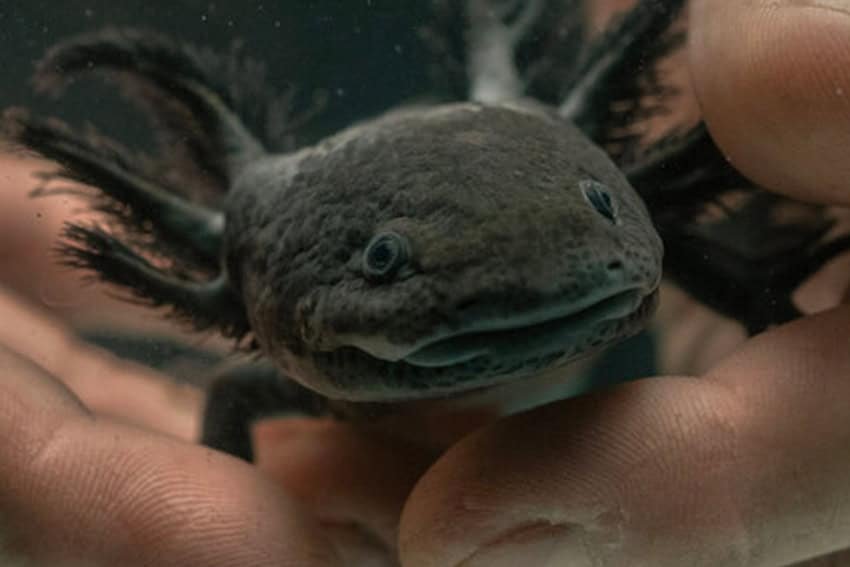
The axolotl, an extraordinary amphibian native to the highland lakes of Mexico, faces critical endangerment due to habitat loss and water pollution. Unlike most amphibians, axolotls do not undergo full metamorphosis, remaining aquatic throughout their lives. This unique trait, along with their endearing appearance, has made them popular pets globally. Ironically, while their wild population dwindles, axolotls thrive in captivity, partly due to their appearances in movies and video games like Minecraft.
In captivity, axolotls are not considered dangerous and require specific care, such as cool water and minimal light. However, their captive breeding has led to genetic issues due to a limited gene pool. These include potential defects in their immune and digestive systems. Despite these challenges, conservation efforts are underway to reintroduce axolotls into their natural habitats. A successful experiment in 2025 saw axolotls released into an artificially created wetland in Mexico, where they thrived.
Regulations for owning axolotls as pets
The axolotl is listed under Appendix I of CITES, meaning international trade is strictly controlled. Ownership regulations vary by location; for instance, they are prohibited as pets in certain U.S. states. In Mexico, owning one requires purchase from a certified breeder.
Conservation projects in Lake Xochimilco aim to restore the traditional chinampas, providing habitats for axolotls and supporting local agriculture. These efforts face challenges, however, such as the introduction of predator fish and the need for biofilters to clean the water. Despite setbacks, the axolotl remains a symbol of hope and conservation, celebrated each year on Feb. 1, or National Axolotl Day.
Bridging words
These words sound similar in English and Spanish: Why not practice them now?
| English | Spanish |
|---|---|
| Metamorphosis | Metamorfosis |
| Conservation | Conservación |
| Regenerate | Regenerar |
Time to discuss
- Why is the axolotl considered critically endangered, and what are the main threats to its survival?
- How do captive breeding practices potentially affect the genetic health of axolotls?
- What are some conservation strategies being used to help the axolotl population recover in the wild?
Let’s Write
Answer the following questions in one paragraph:
- Describe the unique characteristics of axolotls that contribute to their popularity as pets.
- Discuss the role of CITES in protecting endangered species like the axolotl.

