

| Keyword | Description |
|---|---|
| Biodiversity | The variety of plant and animal life in a particular habitat. |
| Pollinator | An animal that helps plants reproduce by moving pollen. |
| Ecosystem | A community of living things interacting with their environment. |
Mexico is one of the most biodiverse countries in the world, meaning it has a lot of different plants and animals. Even though it covers only a small part of the Earth’s surface, it is home to more than 10% of the world’s species. Many of these are bees, with nearly 2,000 types found in Mexico!
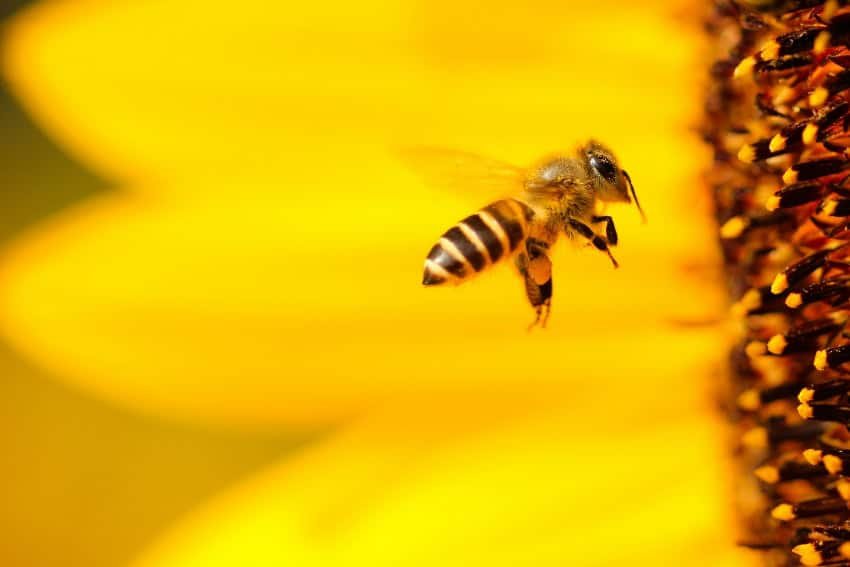
Bees are important because they are pollinators. This means they help plants grow. This helps produce food like apples and almonds. Mexico uses a lot of honeybees for this purpose, especially in states like Sinaloa and Chihuahua.
In Mexico, different regions produce different types of honey. For example, the Yucatán Peninsula is the top honey-producing area. It even makes a special honey called dzidzilché, which is known for its yummy caramel flavor. In 2025, Mexico produced a record amount of honey, with Yucatán leading the way.
Mexico is a big player in honey export, ranking ninth in the world. German people love Mexican honey, with most of the honey they eat coming from Mexico. By buying local honey, people can support beekeepers and help keep local ecosystems healthy.
Bridging words
These words sound similar in English and Spanish: Why not practice them now?
| English | Spanish |
|---|---|
| Biodiversity | Biodiversidad |
| Ecosystem | Ecosistema |
| Pollinator | Polinizador |
Time to discuss
- Why is biodiversity important for our planet?
- How do bees help in the production of food?
- What types of honey does Mexico produce and what makes them special?
Let’s Write
Answer the following questions in one paragraph
- How does buying local honey help the environment?
- What role do bees play in Mexico’s biodiversity?

