

| Keyword | Description |
|---|---|
| Biodiversity | The variety of plant and animal life in a particular habitat. |
| Ecosystem | A community of living organisms and their environment. |
| Pollination | The transfer of pollen from one flower to another, enabling plants to reproduce. |
Mexico is a treasure trove of biodiversity, ranking fourth in the world for the number of different species it hosts. This is impressive because Mexico covers only 1.5% of the Earth’s surface but has over 10% of the world’s known species. With about 2,000 types of bees, Mexico is also a hotspot for bee diversity.
Most of Mexico’s land, about 72.6%, is covered with plant life. This includes various forest ecosystems. For example, 40.5% of these are xerophytic scrub forests. These low-thorn forests, found in dry areas like Coahuila, can survive long droughts. Mexico also has temperate forests in places like Chihuahua and Durango, and rainforests in Chiapas and the Yucatán Peninsula. Mangroves, which thrive along the coast, make up a small part of these ecosystems.
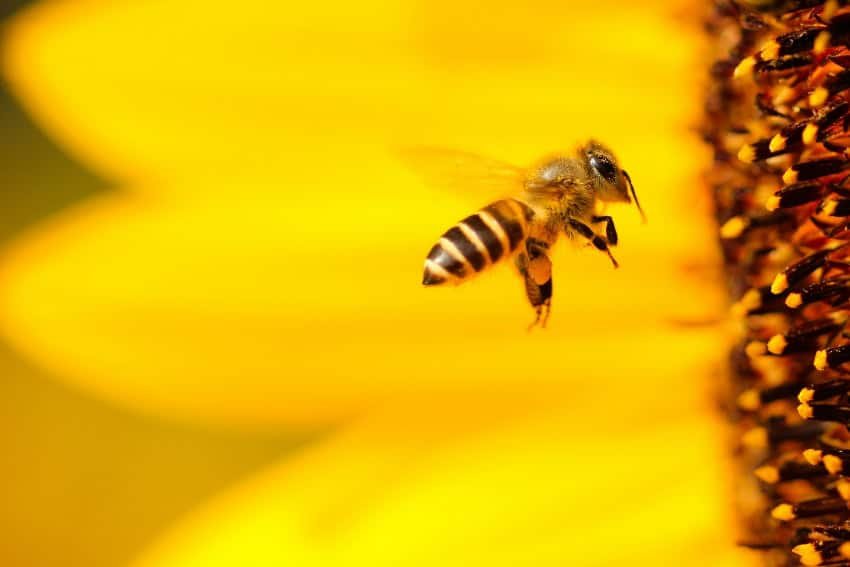
Bees play a crucial role in pollination, helping to grow many crops we eat, like apples and almonds. In Mexico, bees are especially important for pollinating crops in places like Sinaloa and Chihuahua. The country is also a major producer of honey, with Yucatán being the top producer.
Mexico produces different types of honey, each with unique flavors. For instance, mesquite honey from the north and orange blossom honey from the Gulf Coast are popular. The Yucatán Peninsula is known for dzidzilché honey, produced by stingless bees.
Over 47,000 beekeepers work in Mexico, with many focusing on organic honey. Mexico is the ninth-largest honey exporter globally, selling a lot to countries like Germany. Buying local honey helps support these beekeepers and the diverse ecosystems they protect.
Bridging words
These words sound similar in English and Spanish: Why not practice them now?
| English | Spanish |
|---|---|
| Biodiversity | Biodiversidad |
| Ecosystem | Ecosistema |
| Pollination | Polinización |
Time to discuss
- Why is Mexico considered a hotspot for bee diversity?
- How do bees help in the production of food crops?
- What makes honey from different regions in Mexico unique?
Let’s Write
Answer the following questions in one paragraph
- Explain why biodiversity is important for a country like Mexico.
- Describe the role of beekeepers in preserving Mexico’s biodiversity.

