

| Keyword | Description |
|---|---|
| El Grito de Independencia | The traditional celebration marking the start of Mexico’s War of Independence. |
| Miguel Hidalgo | A Catholic priest who initiated the Mexican War of Independence in 1810. |
| Porfirio Díaz | A former president of Mexico, often associated with modifying the Independence Day date. |
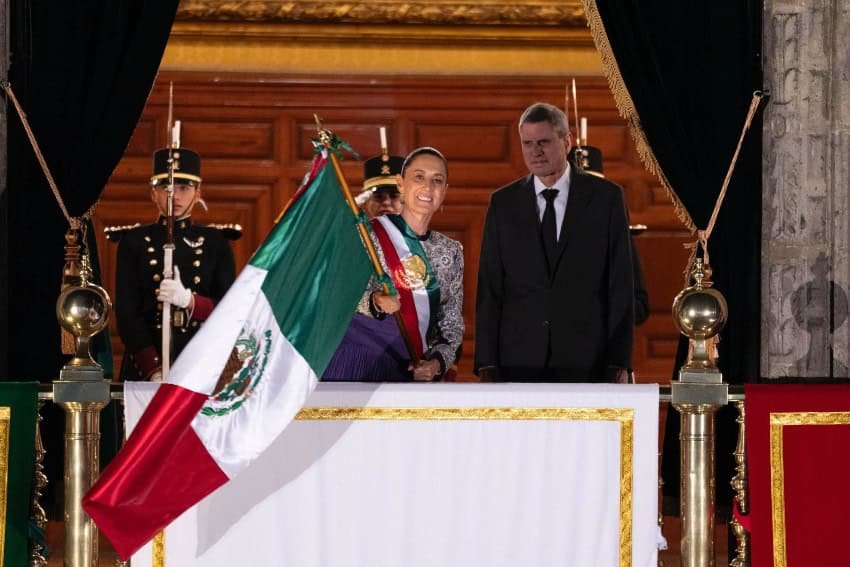
In Mexico, September is a month filled with vibrant celebrations as the country prepares for El Grito de Independencia, or the Cry of Independence. This event, commemorating the start of Mexico’s War of Independence, is not without its myths and misconceptions. Traditionally, Mexicans gather to celebrate on the evening of September 15th, leading into the early hours of September 16th, marking the day Miguel Hidalgo initiated the fight for independence in 1810.
One common misconception is the date of celebration. While many believe that the festivities align with the end of the independence struggle, they actually mark its beginning. The Mexican War of Independence started on September 16, 1810, and concluded on September 28, 1821. The tradition of celebrating on the evening of September 15 dates back to around 1840, chosen to facilitate evening festivities like fireworks and music rather than early morning activities.
An urban legend suggests former Mexican President Porfirio Díaz altered the date to coincide with his birthday, September 15. However, historical records indicate that the tradition of celebrating on the evening of September 15 predates Díaz’s time influence.
The event itself began unexpectedly. On the evening of September 15, 1810, priest Miguel Hidalgo and his co-conspirators were forced to act after their plans for an uprising were discovered. Hidalgo’s call to arms took place on September 16, during Sunday Mass in Dolores Hidalgo, Guanajuato, a significant gathering time for the Catholic community.
Hidalgo’s speech, known as “El Grito,” was a call against the Spanish rule and injustice towards the criollos (people of Spanish descent born in Mexico). While exact words are debated, accounts suggest Hidalgo invoked religion, the Virgin of Guadalupe, and criticized the bad government.
Despite these myths, El Grito de Independencia remains a powerful symbol of Mexican identity, celebrated with food, music and community spirit. It is a time when Mexicans unite to honor their past and celebrate their cultural heritage.
Bridging words
These words sound similar in English and Spanish: Why not practice them now?
| English | Spanish |
|---|---|
| Independence | Independencia |
| Tradition | Tradición |
| Community | Comunidad |
Time to discuss
- Why is it important for countries to celebrate their independence?
- How do myths and misconceptions shape our understanding of historical events?
- What role does tradition play in national identity?
Let’s Write
Answer the following questions in one paragraph.
- Explain the significance of El Grito de Independencia in Mexican culture.
- Discuss the importance of accurately remembering historical events.

