

| Keyword | Description |
|---|---|
| Maya World Textile Center | A museum in Chiapas, Mexico that shows Maya textiles. |
| Conservation laboratory | A place where experts fix and protect old textiles. |
| Indigenous languages | Languages spoken by native people, like Tsotsil and Tseltal. |
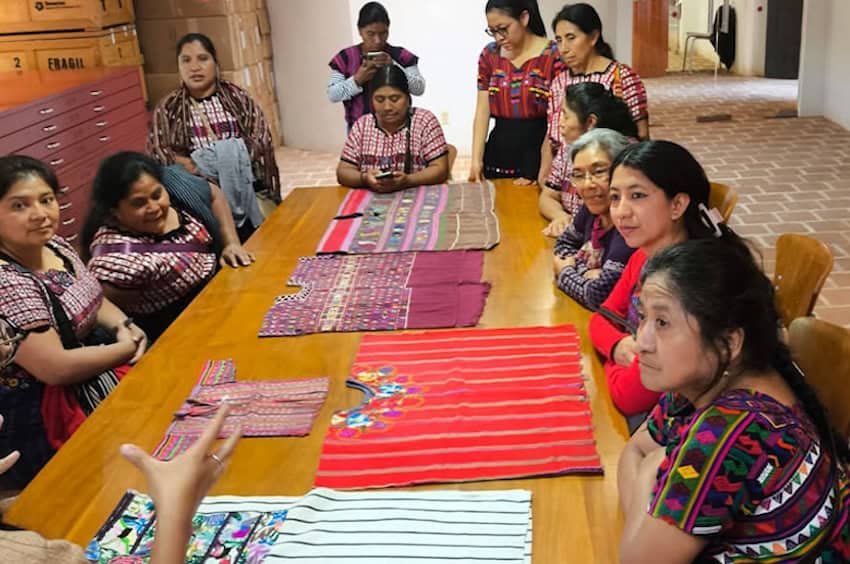
The Maya World Textile Center in Chiapas, Mexico, has opened a new lab. This lab helps protect and fix old clothes and textiles from Maya culture. The center holds over 3,400 pieces, including everyday and specialized clothes. The new lab has tools to clean, repair and protect these pieces from bugs and fungi (a type of organism that can damage materials). Experts can find out what materials and techniques were used to make them.
Since opening in 2012, the center has had over 342,000 visitors. It is supported by Fomento Cultural Banamex and Fundación Diez Morodo, which help fund staff and equipment. Two trainees who speak Tsotsil and Tseltal are learning to care for the collections.
Indigenous communities are also working hard to keep their crafts safe. In Chiapas, a group called Jolom Mayaetik has documented 208 textile symbols from San Andrés Larrainzar, a Tsotsil Maya municipality. Meanwhile, in Oaxaca, people are trying to protect traditional huarache designs after an issue with the shoe company Adidas. These efforts help preserve special traditions for future generations.
Bridging words
These words sound similar in English and Spanish: Why not practice them now?
| English | Spanish |
|---|---|
| Museum | Museo |
| Textile | Textil |
| Collection | Colección |
Time to discuss
- Why do you think preserving traditional clothes is important?
- How can learning Indigenous languages help preserve cultures?
- What might happen if traditional crafts are not protected?
Let’s Write
Answer the following questions in one paragraph.
- What are some ways the new lab helps protect Maya textiles?
- Why is it important to document and protect textile symbols and designs?

