

| Keyword | Description |
|---|---|
| INEGI | The National Institute of Statistics and Geography in Mexico, which collects data about the country. |
| Fertility Rate | The average number of children born to a woman in her lifetime. |
| Median Age | The age that divides a population into two equal groups, half younger and half older. |
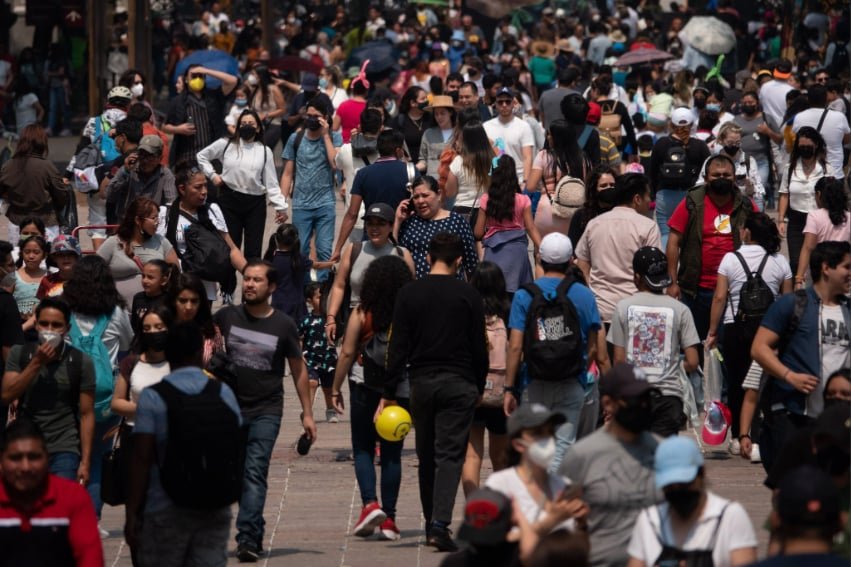
In 2025, Mexico’s population reached over 130.9 million people. This information comes from a survey by INEGI, which checks how many people live in the country. The population grew by almost 4% since 2020. More than half of the people are female, and less than one percent were born in other countries, mostly the United States.
Mexico’s population is growing slower than before. The median age, which means half the people who are younger and half who are older, is now 32 years. In 2000, it was only 22. This means more adults and older people live in Mexico now.
The fertility rate, or how many children women have on average, is 1.2. In Mexico City, it is even lower at 0.8. For a population to stay the same size without more people moving in, the fertility rate needs to be around 2.1. If this doesn’t change, Mexico’s population might shrink in the future.
President Claudia Sheinbaum said that many people were having fewer children, and this is happening in other countries too. This might affect the number of people who pay taxes, which is important for Mexico’s finances.
Bridging words
These words sound similar in English and Spanish: Why not practice them now?
| English | Spanish |
|---|---|
| Population | Población |
| Statistics | Estadísticas |
| Immigration | Inmigración |
Time to discuss
- Why do you think the fertility rate in Mexico is decreasing?
- How might a changing population affect schools and communities?
- What are some reasons people might choose to have fewer children?
Let’s Write
Answer the following questions in one paragraph.
- What are the main changes in Mexico’s population according to the 2025 survey?
- How might these changes impact the country’s future?

