

| Keyword | Description |
|---|---|
| Veto | When a decision is made to stop a law from being passed. |
| Querétaro | A state in central Mexico. |
| Civil Registry | A government office where important life events like births are recorded. |
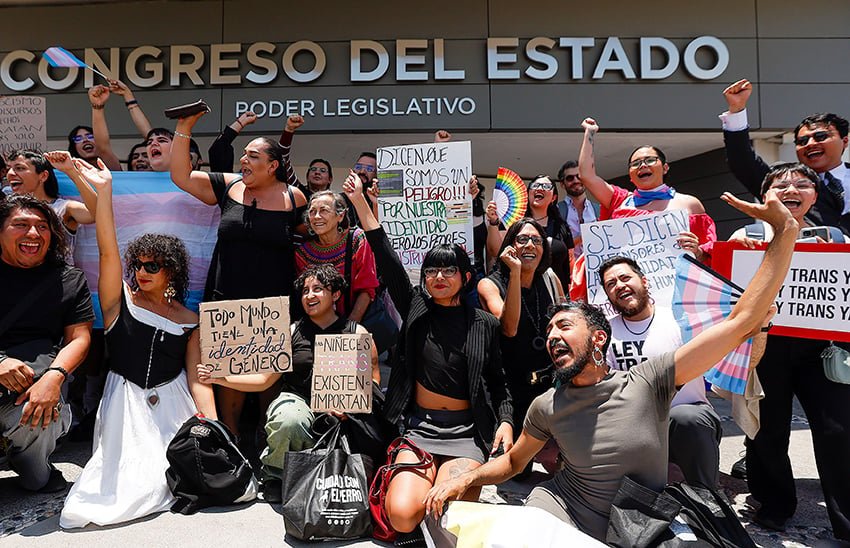
The governor of Querétaro, Mauricio Kuri González, decided not to allow a new law that would let people change their gender on official documents. The law was approved by the state Congress, but Kuri, from the National Action Party, used a veto to block it. He believes the law could affect family values in Querétaro.
Some groups protested against changes related to gender identity and other topics. These groups included pro-life organizations and some religious groups. However, people supporting the LGBT+ community were unhappy with the veto. They said it stops people from being recognized for who they are and could lead to more problems like violence and exclusion.
Andrea Tovar, from the Morena party, mentioned that the law was meant for adults to change their gender in the Civil Registry. She said the information about the law was misunderstood. Similar laws already exist in 24 other Mexican states.
In a different decision, Mexico’s Supreme Court said parents who force children into conversion therapy (a harmful practice trying to change someone’s sexual orientation) could go to prison.
Bridging words
These words sound similar in English and Spanish: Why not practice them now?
| English | Spanish |
|---|---|
| Governor | Gobernador |
| Identity | Identidad |
| Party | Partido |
Time to discuss
- Why might some people support the Gender Identity Law while others oppose it?
- What are some of the consequences of not recognizing someone’s gender identity?
- How can we learn more about different perspectives on laws about gender identity?
Let’s Write
Answer the following questions in one paragraph
- What is the role of a governor when it comes to approving or vetoing laws?
- Why is it important to have accurate information about new laws?

