

| Keyword | Description |
|---|---|
| Smuggle | To move goods illegally into or out of a country. |
| Python | A large, non-venomous snake found in Africa, Asia, and Australia. |
| Isolated | Happening only once. |
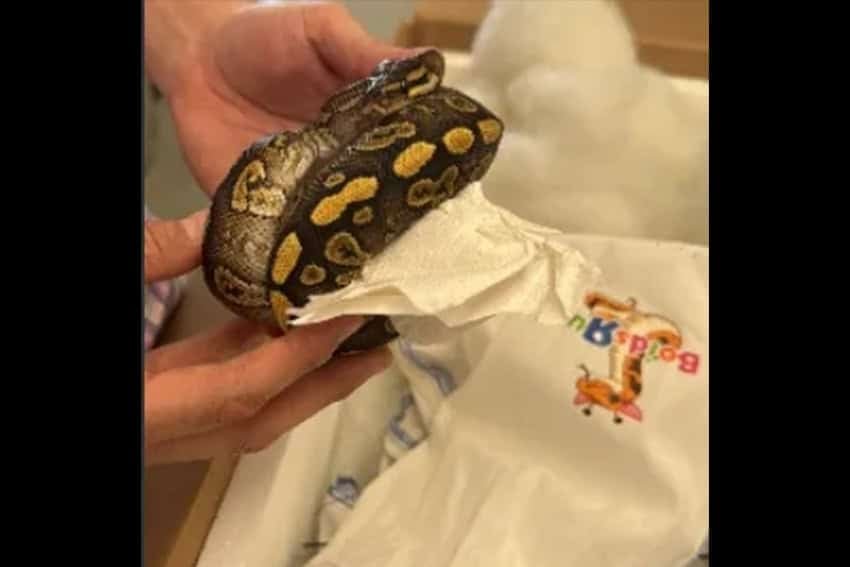
U.S. Customs and Border Protection (CBP) officers recently uncovered a sneaky attempt to move 39 live pythons across the border into Mexico. This happened at the World Trade Bridge connecting Laredo, Texas, to Nuevo Laredo, Mexico. The incident took place when officers stopped a 2021 Peterbilt tractor and found the snakes hidden inside.
The driver had claimed there were no illegal items on board, but the inspection proved otherwise. CBP officers quickly contacted the U.S. Fish and Wildlife Service, which then took responsibility for the pythons. The snakes are now safely in a controlled environment where they can be monitored.
The driver was fined $34,824 for breaking export laws, and the truck and trailer were seized by officials. It’s important to know that moving live animals like reptiles across the U.S.-Mexico border requires special permissions from several agencies, including the U.S. Fish and Wildlife Service.
This is not an isolated event. Earlier this year, people were caught trying to smuggle parrots across the border in different incidents. These efforts by CBP officers show their commitment to protecting the environment and ensuring that wildlife is not illegally traded.
Bridging words
These words sound similar in English and Spanish: Why not practice them now?
| English | Spanish |
|---|---|
| Python | Pitón |
| Bridge | Puente |
| Illegal | Ilegal |
Time to discuss
- Why do you think people try to smuggle animals across borders?
- What are some possible consequences of smuggling wildlife?
- How can governments better prevent illegal wildlife trade?
Let’s Write
Answer the following questions in one paragraph
- Describe the role of CBP officers in protecting the environment.
- What are the challenges faced by wildlife protection agencies?

