

| Keyword | Description |
|---|---|
| Habanero | A type of chili pepper known for its heat and unique flavor, primarily grown in the Yucatán Peninsula. |
| Designation of Origin (DoE) | A certification that indicates a product comes from a specific geographic location and possesses qualities or a reputation due to that origin. |
| Culinary | Related to food or cooking. |
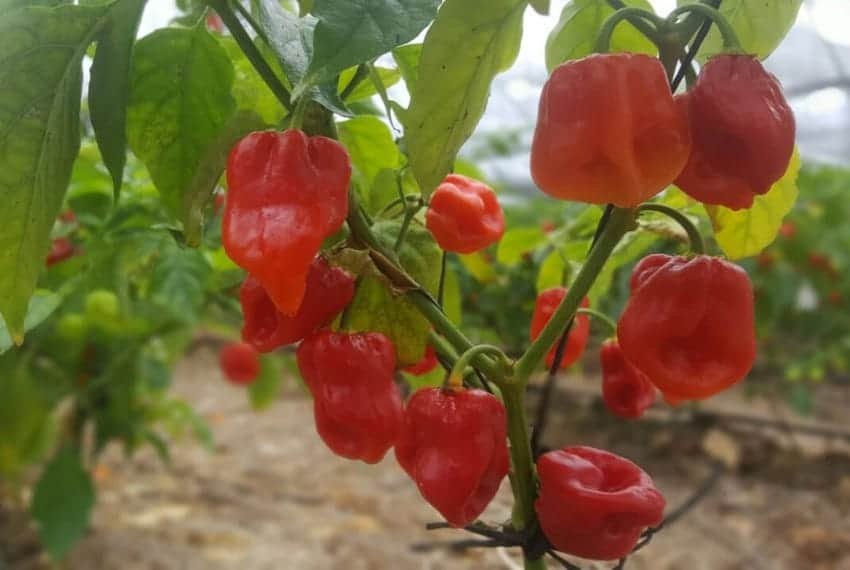
The states of Yucatán, Campeche, and Quintana Roo in Mexico have formed a Peninsular Council for the Regulation of the Habanero. This council aims to protect and enhance the Designation of Origin (DoE) for their well-known chili pepper. The council’s responsibilities include ensuring the traceability, certification, and quality of the habanero, while also promoting it in both national and international markets. This initiative is expected to boost the competitiveness of local producers and create more marketing opportunities.t
The inauguration of the council took place in Mérida, the capital of Yucatán, and was attended by important figures such as Joaquín Díaz Mena, Governor of Yucatán, and Mara Lezama, Governor of Quintana Roo. Santiago Nieto Castillo, the Director General of the Mexican Institute of Industrial Property (IMPI), was also present. Although the habanero received DoE recognition in 2010, it was not until February 2025 that the three states decided to form an official joint council.
By certifying the habanero with a DoE, the council aims to combat unfair competition and raise awareness about the pepper’s authentic origin. This will protect the Yucatán Peninsula from imitations and enhance the chili’s commercial value. Governor Díaz Mena emphasized the importance of this council in safeguarding local products and ensuring prosperity for future generations. Governor Lezama highlighted that the new rules would allow the three states to market the habanero both in Mexico and abroad with its DoE intact.
Currently, Yucatán produces 5,000 tonnes of habanero annually, valued at about 131 million pesos (US $7.6 million), Campeche produces 3,300 tonnes (90 million pesos/$5.2 million), and Quintana Roo produces around 1,000 tonnes (30 million pesos/$1.7 million). Research from the National Autonomous University of Mexico (UNAM) also suggests that habanero peppers could be used to develop new antibiotics, indicating their potential beyond culinary uses.
Bridging words
These words sound similar in English and Spanish: Why not practice them now?
| English | Spanish |
|---|---|
| Council | Consejo |
| Certification | Certificación |
| Market | Mercado |
Time to discuss
- How does the Designation of Origin certification benefit local producers?
- What challenges might the council face in maintaining the authenticity of the habanero pepper?
- In what ways could the habanero pepper be utilized beyond culinary purposes?
Let’s Write
Answer the following questions in one paragraph
- Explain the significance of establishing a Peninsular Council for the Regulation of the Habanero.
- Discuss the potential impact of habanero peppers on scientific research, as mentioned in the article.

