

| Keyword | Description |
|---|---|
| Parity | Balance or equal numbers. |
| Chamber of Deputies | Part of Mexico’s Congress, similar to the U.S. House of Representatives. |
| Cabinet | A group of important advisors to the President. |
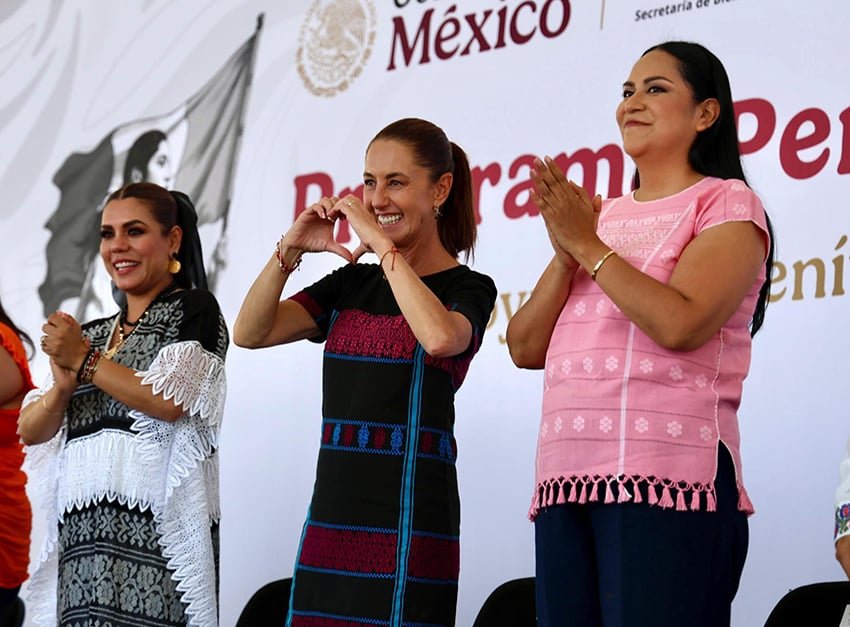
Mexico has made great progress in having more women in politics. In 2009, most of Mexico’s leaders, like governors and congress members, were men. But things have changed a lot since then. Thanks to new laws, like the 2019 “parity in everything” rule, there are now equal numbers of men and women in parliament.
Today, Mexico has a female president, Claudia Sheinbaum. In her cabinet, 11 out of 22 members are women. This is much better than in the U.S., where only about 22% of the cabinet members are women.
In Mexico, 42% of state governments and 44% of federal entities are led by women. In the U.S., only 28% of states have women governors.
In Mexico’s Senate, 64 out of 128 are women. In the U.S., only 26% of senators are women.
Mexico’s Chamber of Deputies has more women than men. Currently, 253 out of 500 deputies are women. This is much higher than in the U.S., where 28.5% of representatives are women.
Bridging words
These words sound similar in English and Spanish: Why not practice them now?
| English | Spanish |
|---|---|
| Cabinet | Gabinete |
| Senator | Senador |
| Governor | Gobernador |
Time to discuss
- Why do you think it’s important to have women in government?
- How does having more women in politics help a country?
- What changes might happen if more women become leaders?
Let’s Write
Answer the following questions in one paragraph
- Describe how women’s representation in Mexico has changed over the years.
- Why do you think Mexico has more women in government than the United States?

